
Modular Construction in India: Types, Benefits, Drawbacks & Expert Insights 2026
Categories
- News
- Market Insights
- Tips
Recent Posts
News / 22 Sept 2026
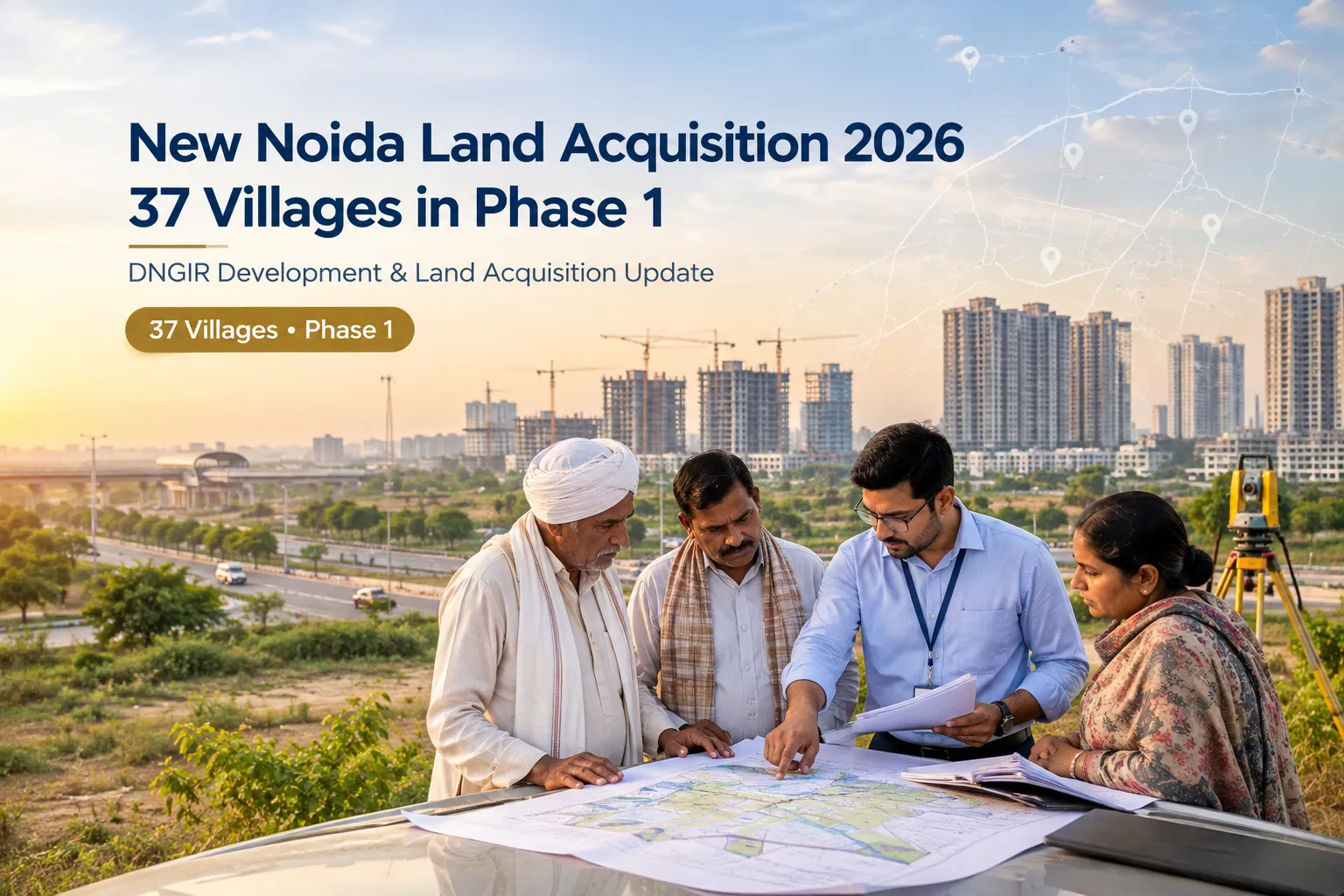
New Noida Land Acquisition 2026: List of 37 Villages in Phase 1

Market Insights / 21 Sept 2026
Registry Charges in Delhi 2026: Full Rate Table & Guide

News / 21 Sept 2026
8 Best Property Hotspots in NCR: Where to Actually Buy

Market Insights / 19 Sept 2026
Cost Inflation Index 2026: Full Table and How to Apply It
"Thinking of building a home in Noida or Delhi NCR? Modular construction can cut your project timeline by up to 50% and reduce costs — but is it really worth it? In this detailed guide, we break down the real benefits, hidden drawbacks, and practical insights every homebuyer should know before making a decision."
After spending over a decade in the Delhi NCR real estate market, I’ve seen construction methods evolve significantly. Modular construction is no longer a niche concept — it has become a practical choice for many homebuyers and investors, especially in fast-growing areas like Noida, Greater Noida, and parts of Delhi.
At Avorix Realty, clients frequently ask us whether they should go for modular construction or stick with the traditional method. The truth is, it depends on your priorities — speed, cost control, quality, or design flexibility. This guide shares practical insights from actual projects we’ve handled, along with the real advantages and limitations of modular construction in India.
Table of Contents
Understanding Modular Construction
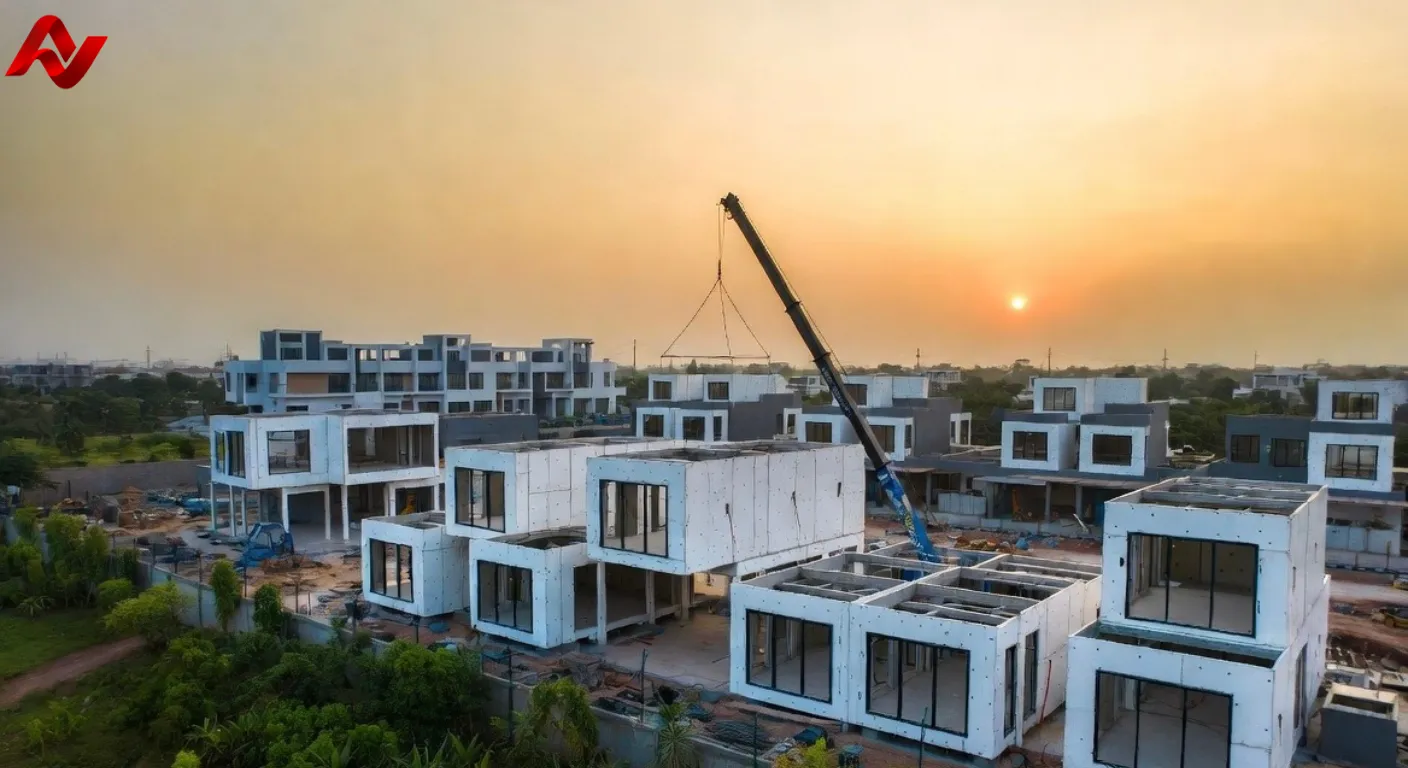
Modular construction involves manufacturing large sections of a building in a factory and then transporting them to the site for assembly. These are not temporary structures — modern modular homes and buildings use high-quality materials and can be just as durable as traditionally built ones.
In India, this method is gaining popularity in cities like Noida and Greater Noida where developers and buyers want faster completion and better cost control. The modules come with pre-installed electrical wiring, plumbing, and sometimes even finished interiors, reducing on-site work dramatically.
Main Types of Modular Construction Systems
Panelised Systems (2D)
These consist of flat wall or floor panels that are assembled on site. Panels can be open or closed (with insulation, wiring, and windows already fitted). They offer good design flexibility and are commonly used for independent villas and low-rise buildings in Delhi NCR.
Volumetric Modules (3D)
Entire room-sized units (like fully finished bathrooms or kitchens) are built in the factory and craned into position. These deliver excellent finish quality because work happens in a controlled environment.
Hybrid Approach
The most popular choice in India today. It combines volumetric pods for wet areas (bathrooms & kitchens) with panelised systems for the rest of the structure. This gives the perfect balance of speed and customization.
Complete Building Units
Entire sections of buildings are prefabricated. While high-quality, these are less common in India due to transportation challenges on Indian roads, especially in denser areas like Delhi.
Real Advantages of Modular Construction
The biggest and most visible benefit is **speed**. Many projects in Noida that we’ve tracked completed 40% faster than traditional methods. Construction of interiors, exteriors, and foundation can happen simultaneously.
Cost predictability is another major plus. With most work done in factories, material wastage is minimal. Labour costs are also lower because the project finishes quicker.
From a sustainability point of view, modular construction generates significantly less waste. Factories can reuse materials more efficiently than chaotic on-site construction.
Quality control is far superior. Components are built in dust-free, weather-protected environments, resulting in better consistency and fewer issues like warping or poor waterproofing.
At Avorix Realty, we regularly run numbers for clients using our ROI Calculator and EMI Calculator. Modular projects often show better cash flow due to shorter construction periods.
The Other Side: Genuine Limitations
Financing is still a challenge. Many banks in India are not fully equipped to handle the payment schedules of modular projects, which often require higher upfront payments for factory production.
Resale perception remains an issue. Even in 2026, some buyers in Delhi NCR view modular homes with hesitation, thinking they may not be as “solid” as traditional homes. This can affect liquidity in the short term.
Design options can feel limited if you work with smaller modular companies. The best results come when you engage experienced teams early.
Finishing joints between modules sometimes need extra on-site attention. Minor alignment or aesthetic issues can appear if the assembly team lacks experience.
Who Should Consider Modular Construction?
Modular construction makes excellent sense if you want to move in faster, especially in high-demand areas of Noida and Greater Noida. It is also ideal for investors who want to reduce cost overruns and project delays.
However, if you want highly customised traditional designs with intricate facades, conventional construction may still be a better fit for now.
At Avorix Realty, we help clients compare both options honestly. We’ve successfully guided many buyers toward modular homes where timeline and budget were critical, while recommending traditional methods for those seeking complete design freedom.
Before deciding, we always suggest running your numbers. Our Buy vs Rent Calculator and Appreciation Calculator can give you a clearer long-term picture.
Final Thoughts from the Field
Modular construction is not perfect, but it is a smart and practical solution for many buyers in today’s India. The technology has improved a lot in recent years, and we expect wider acceptance as more completed projects prove their long-term performance.
If you are exploring plots or ready-to-move modular homes in Delhi NCR, feel free to connect with us. At Avorix Realty, we don’t push one method over another — we help you choose what truly works for your family and your budget.
Frequently Asked Questions
```
Tags
No tags
Tags
No tags
Top 5 Best Properties in Delhi NCR This Week
Handpicked properties with best price & location
Popular in Greater Noida
Top-rated residential & commercial projects across Greater Noida